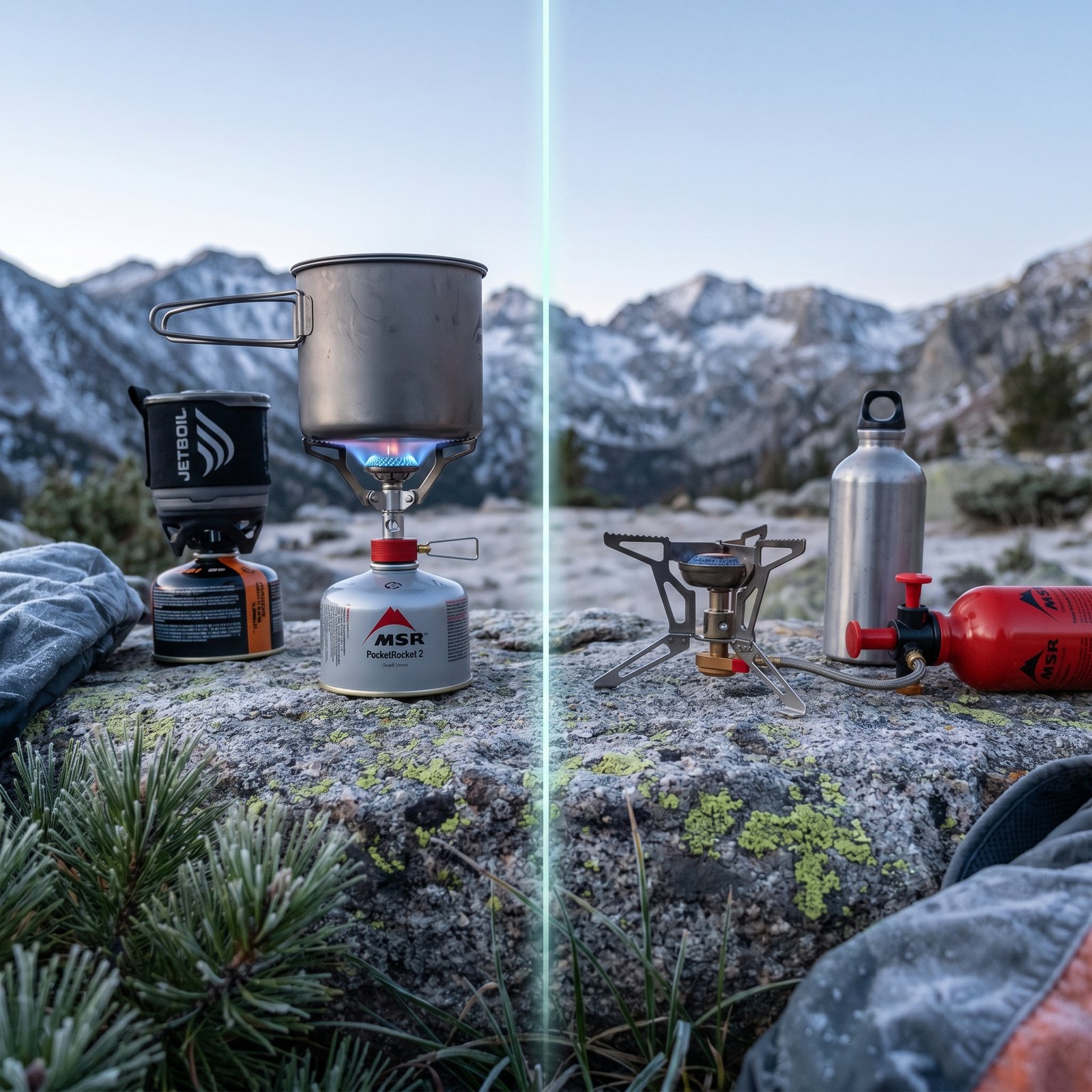

You’re standing in the camping aisle, or scrolling endlessly online, facing one of the most consequential decisions in your outdoor cooking setup: should you buy a canister stove or a liquid fuel stove? On the surface they both do the same thing — boil water and cook food in the backcountry — but underneath, they represent two fundamentally different philosophies, each with passionate devotees who’ll tell you their choice is obviously the right one. The truth, as always, is more nuanced.
This isn’t a trivial choice. The stove you pick shapes how you cook on every trip — how much weight you carry, how well your stove performs when temperatures plummet, how easy it is to set up after an exhausting day, and even whether you can find fuel when traveling abroad. A canister stove that’s perfect for a summer weekend backpacking trip might leave you cold and hungry on a winter mountaineering expedition, while a liquid fuel stove that conquers brutal alpine conditions might be needless overkill for casual three-season camping.
That’s exactly why we’re settling this debate properly. In this comprehensive head-to-head, we’ll pit canister stoves against liquid fuel stoves across every factor that matters — weight, ease of use, cold-weather performance, cost, fuel availability, and more. By the end, you’ll know precisely which type fits your adventures, and you’ll understand why some serious outdoors people actually own both. Let’s settle this once and for all. 🔥
Before we put them head-to-head, let’s properly understand each type of stove, because they work in fundamentally different ways that shape all their strengths and weaknesses. These two technologies represent distinct approaches to backcountry cooking.
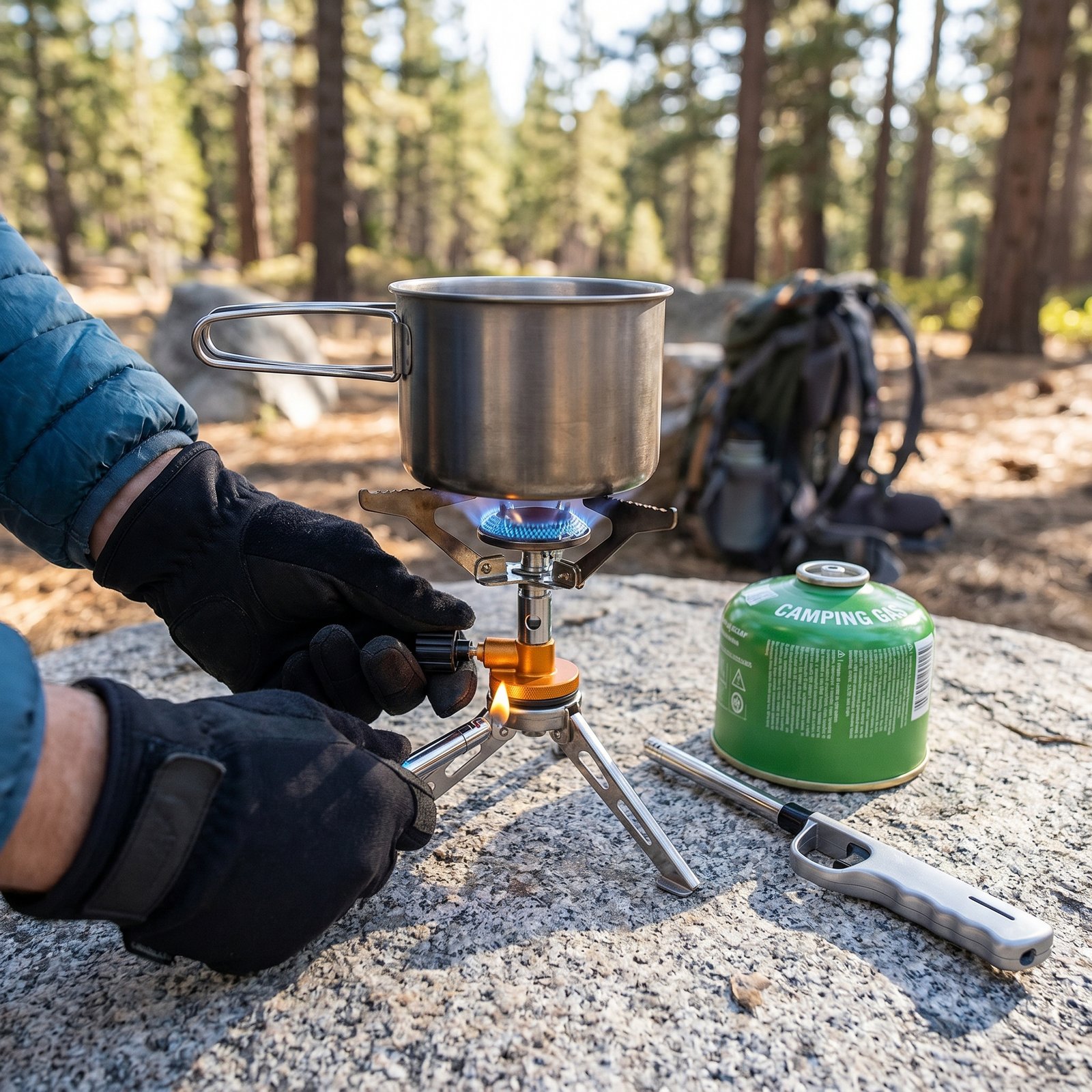
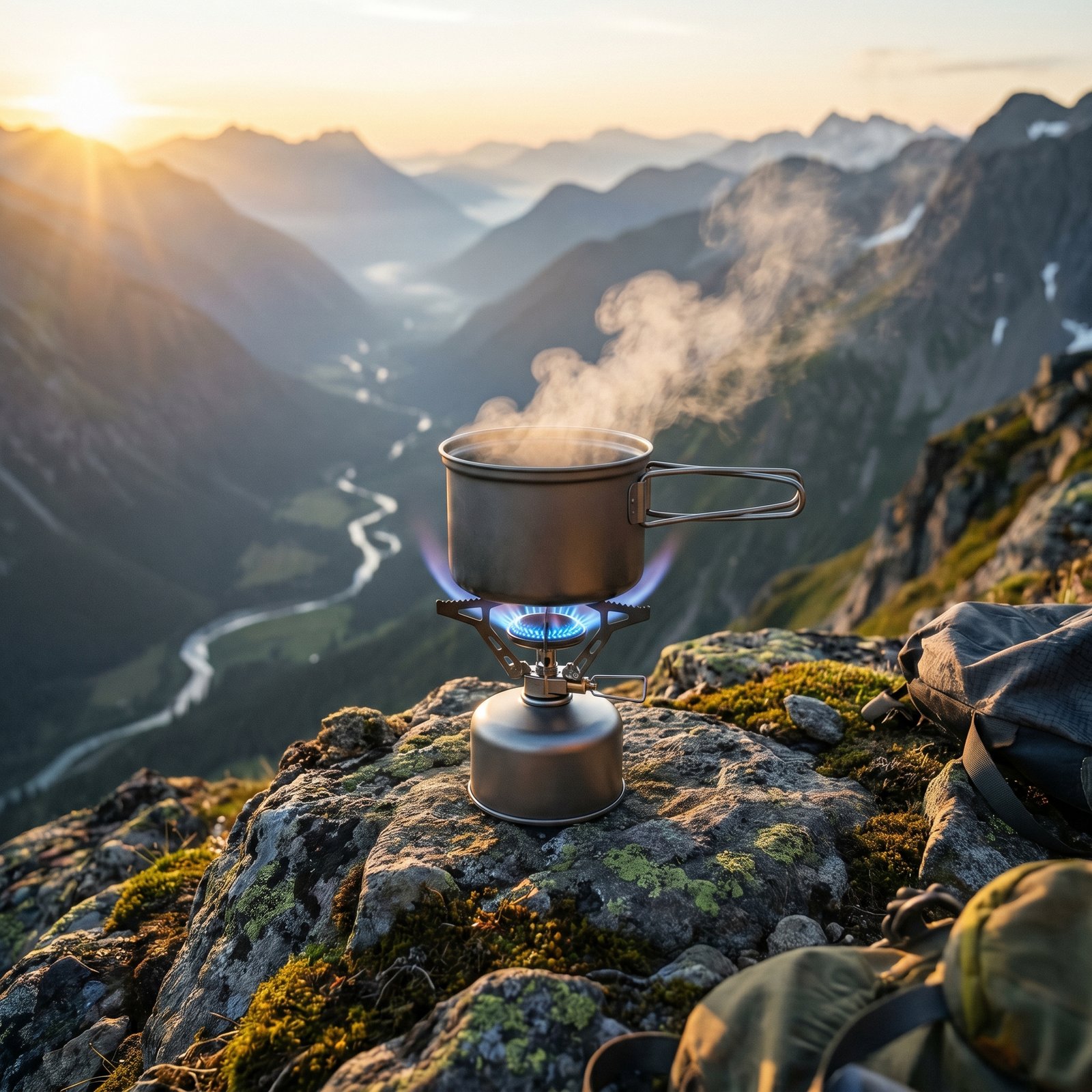
The canister stove runs on pressurized fuel canisters containing a blend of isobutane and propane. The burner simply screws onto the canister (in upright models) or connects via a hose (in remote models), and the pressurized gas flows out and ignites — no priming, no pumping, just attach and light. Canister stoves are prized for their simplicity, light weight, and convenience, making them the popular default for three-season backpacking.
The liquid fuel stove burns white gas (and often other fuels) from a refillable bottle that you pressurize with a pump. Before cooking, you “prime” the stove to preheat the fuel line, after which it delivers a powerful, consistent flame. Liquid fuel stoves are valued for their excellent cold-weather and high-altitude performance, fuel versatility, and field-maintainability, making them the choice of mountaineers and expedition travelers. Now that we understand both, let’s see how they compare.
For backpackers who carry everything on their backs, weight and packability are often the most important factors, so let’s start here. Which stove type is lighter and easier to pack?
The canister stove wins this round decisively, especially in upright form. A simple upright canister burner weighs just a couple of ounces and packs down small enough to nest inside a cookpot, making it the clear choice for those counting grams. Even accounting for the canister itself, the overall system is typically lighter and more compact than a comparable liquid fuel setup, which is a major reason canister stoves dominate lightweight backpacking.
The liquid fuel stove is heavier and bulkier by comparison, since it includes the burner, a fuel pump, and a refillable fuel bottle, all of which add weight and take up more space. While this extra heft buys real advantages in other areas, for pure weight and packability the canister stove is the winner, making it the better choice for ultralight and three-season backpacking where every ounce counts.
Winner: Canister Stove
After a long day on the trail, an easy-to-use stove is a genuine pleasure, so this round examines which type is simpler to operate. How quickly and easily can you get cooking?
The canister stove wins again here for sheer simplicity. There’s no priming, no pumping, and no fuss — you screw the burner onto the canister, turn the valve, ignite (often with a built-in piezo igniter), and you’re cooking in seconds. This effortless, foolproof operation makes canister stoves wonderfully convenient, especially for beginners and for anyone who just wants a hot meal without ceremony after a tiring day.
The liquid fuel stove is more involved to operate. You must pressurize the fuel bottle with a pump, prime the stove by preheating the fuel line, and manage the process carefully, which takes more time, practice, and attention. While experienced users perform this smoothly, the learning curve and extra steps make it less convenient than a canister stove. For plug-and-play ease, the canister stove clearly takes this round.
Winner: Canister Stove
For anyone venturing into cold conditions or high altitude, stove performance in these environments is critical — and this is where the tables turn dramatically. Which stove keeps cooking when conditions get extreme?
The liquid fuel stove wins this round decisively, and it’s its single greatest strength. Because you pressurize the fuel bottle manually with a pump, a liquid fuel stove maintains strong, consistent output even in deep cold and at high altitude, where its performance simply doesn’t falter. This reliability in brutal conditions is precisely why mountaineers and winter expeditions overwhelmingly choose liquid fuel — it works when it matters most.
The canister stove struggles in extreme cold, since the pressurized gas inside loses pressure as temperatures drop, weakening the flame or failing entirely. Remote canister stoves with preheat tubes (used with inverted canisters) improve cold performance considerably, but standard upright canister stoves are notably compromised in freezing conditions. For genuine cold-weather and high-altitude reliability, the liquid fuel stove is the clear champion.
Winner: Liquid Fuel Stove
Where and how easily you can get fuel matters, especially for travelers and those in remote areas, so this round considers fuel availability. Which stove is easier to keep fueled, particularly abroad?
The liquid fuel stove wins this round, particularly for international and remote travel. Many liquid fuel stoves run on multiple fuel types beyond white gas, meaning you can often find some usable fuel almost anywhere in the world — a genuine lifesaver when traveling internationally where pressurized canisters may be unavailable or impossible to fly with. This fuel versatility makes liquid fuel stoves the go-to for global expeditions and off-the-beaten-path adventures.
The canister stove depends on proprietary-style pressurized canisters that, while widely available in outdoor stores in many regions, can be hard to find in remote areas or certain countries, and can’t be carried on airplanes. For domestic three-season backpacking where canisters are easy to buy, this is rarely an issue, but for international travel and remote expeditions, the liquid fuel stove’s fuel flexibility gives it the edge in this round.
Winner: Liquid Fuel Stove
Budget matters, so let’s compare the upfront and ongoing costs of each stove type. Which offers better value over time?
This round is nuanced, with each having advantages. The canister stove is usually cheaper to buy upfront, especially basic upright models, making it the more affordable entry point. However, the pressurized canisters cost more per unit of fuel and are discarded when empty, so over many trips the fuel costs add up, and you accumulate empty canisters to dispose of.
The liquid fuel stove costs more upfront due to its burner, pump, and bottle, but white gas is inexpensive per unit and you refill the same bottle repeatedly, making the ongoing fuel cost lower for frequent and heavy users. Over years of regular use, this can make liquid fuel the more economical choice despite the higher initial investment. We’ll call this round a near-tie — the canister stove wins on upfront cost, while the liquid fuel stove offers better long-term fuel value for frequent users.
Winner: Tie (canister for upfront cost; liquid fuel for long-term fuel value)
A stove you can rely on — and fix if needed — is invaluable in the backcountry, so this round examines maintenance and field reliability. Which stove is more dependable over the long haul?
This round splits in an interesting way. The canister stove is extremely reliable in normal conditions with virtually no maintenance required — there’s little to go wrong, and it just works trip after trip. However, if something does fail in the field, there’s usually not much you can do to repair it, and its performance is compromised in cold as noted earlier. For low-maintenance simplicity in moderate conditions, it’s excellent.
The liquid fuel stove requires more regular maintenance — occasional cleaning of the fuel line and parts — but crucially, it’s field-maintainable, meaning you can disassemble, clean, and repair it on a long expedition, which is a major advantage on extended trips far from any store. This serviceability makes it the more dependable choice for long, remote adventures where a failed stove can’t simply be replaced. The canister wins for low maintenance; the liquid fuel wins for field-repairability and expedition reliability.
Winner: Tie (canister for low maintenance; liquid fuel for field-repairability)
Let’s tally where each stove stands across our six rounds, keeping in mind that the “best” depends heavily on your adventures. The scorecard reveals two well-matched contenders optimized for different priorities.
The canister stove wins on weight and ease of use, and shares the cost and maintenance rounds — making it the champion for three-season backpacking, beginners, and anyone who prioritizes light weight and effortless convenience. Its simplicity and packability make it the popular default for good reason, ideal for the majority of moderate-condition trips.
The liquid fuel stove wins on cold-weather performance and fuel availability for travel, and shares cost and maintenance — making it the champion for mountaineering, winter camping, high altitude, and international expeditions. Its reliability in extreme conditions and fuel versatility make it the serious adventurer’s choice. Rather than a single universal winner, the scorecard shows two excellent tools suited to different conditions and styles of adventure.
Here’s the insight that resolves the entire debate: plenty of experienced outdoors people don’t choose just one — they own both, using each where it shines. Far from being rivals you must choose between, canister and liquid fuel stoves complement each other beautifully across the range of adventures.
The logic is simple. Use a canister stove for the bulk of your trips — three-season backpacking, summer weekends, and any moderate-condition outing where its light weight and effortless convenience make cooking a pleasure. Then reach for your liquid fuel stove when conditions demand it: winter camping, high-altitude climbs, deep-cold expeditions, and international travel where its cold-weather reliability and fuel versatility are essential.
This combination covers every scenario: the canister stove handles convenient, lightweight everyday backpacking, while the liquid fuel stove conquers the extreme conditions where canisters falter. Together they ensure you always have the right stove for the trip, eliminating the weaknesses of relying on either type alone. For adventurers whose pursuits span from summer trails to winter summits, owning both is often the smartest approach.
If you’re choosing just one based on your primary adventures, here’s how to decide. Your typical conditions and style should guide which type suits you best.
Choose a canister stove if you mainly do three-season backpacking, prioritize light weight and convenience, are newer to outdoor cooking, or cook primarily in moderate conditions where extreme cold isn’t a concern. It’s the better choice for the majority of recreational backpackers, summer adventurers, and anyone who values simplicity and packability above all — which describes most people most of the time.
Choose a liquid fuel stove if you venture into serious cold, high altitude, or winter conditions, travel internationally or to remote areas where canisters are hard to find, take long expeditions requiring field-maintainable gear, or simply want maximum reliability in extreme environments. It’s the better choice for mountaineers, winter campers, and global adventurers. Match the stove to the conditions you’ll actually face, and you’ll be well served on every trip.
So, after six rounds, which stove actually wins in 2026? The honest answer is that there’s no universal champion — each type wins decisively for different adventures, which is exactly why understanding the comparison matters.
For most three-season backpacking, light weight, and effortless convenience, the canister stove is your winner — simple, packable, and perfect for the majority of recreational trips, which is why it’s the popular default. For extreme cold, high altitude, winter camping, and international expeditions, the liquid fuel stove takes the crown — its unmatched cold-weather reliability and fuel versatility make it the serious adventurer’s essential tool.
But the real winner is the adventurer who understands both and chooses based on the trip — and, if their pursuits span the full range, ideally owns both. Pair a lightweight canister stove for convenient everyday backpacking with a rugged liquid fuel stove for cold-weather and expedition use, and you’ll always have the perfect tool for cooking in the backcountry. In the end, the best camping stove isn’t canister or liquid fuel — it’s the one that fits the conditions, and knowing which to bring is the mark of a seasoned outdoors person.
Choose wisely, cook well, and enjoy every meal in the wild. 🔥
Found this comparison helpful? Share it with your hiking crew and explore our other guides on backpacking stoves, car camping stoves, and fuel canisters — your complete resource for mastering fire and fuel in the great outdoors.



No Comments