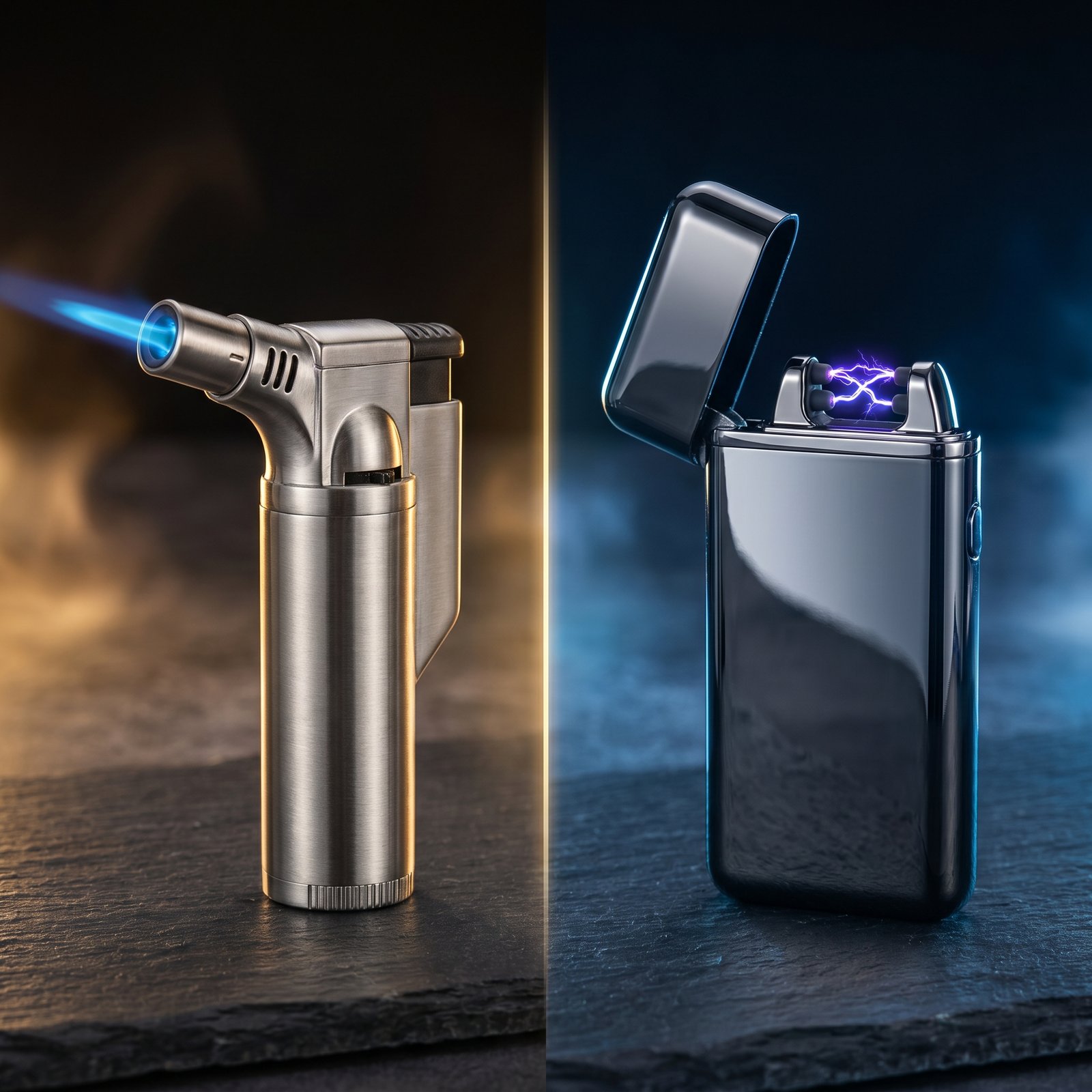

The humble lighter has quietly entered a technological arms race. For over a century, the choice was simple — you picked a flame lighter, fueled it, and flicked it to life. But in recent years, a sleek challenger has emerged: the electric plasma arc lighter, which ditches flame entirely in favor of a crackling electric arc. Suddenly, that simple drawer-staple has become a genuine decision, and walk into any store or browse online and you’ll face two very different philosophies of making fire.
So which one should you buy? It’s a question that sparks surprisingly passionate debate. Butane loyalists point to raw power, instant heat, and the ability to refuel anywhere. Electric arc enthusiasts counter with windproof performance, zero fuel costs, and eco-friendly rechargeability. Both camps make compelling cases, and the truth is that neither is universally “better” — each excels in different situations, and the right choice depends entirely on how, where, and why you’ll use it.
That’s exactly why we’re settling this head-to-head once and for all. In this comprehensive comparison, we’ll pit butane lighters against electric arc lighters across every factor that matters — wind resistance, cost, reliability, cold-weather performance, environmental impact, and more. By the end, you’ll know precisely which type fits your needs, and you’ll understand why many savvy users actually keep both. Let’s spark this debate. 🔥
Before we put them head-to-head, let’s properly understand each type of lighter, because they work in fundamentally different ways that shape all their strengths and weaknesses. These two technologies represent completely different approaches to creating fire.
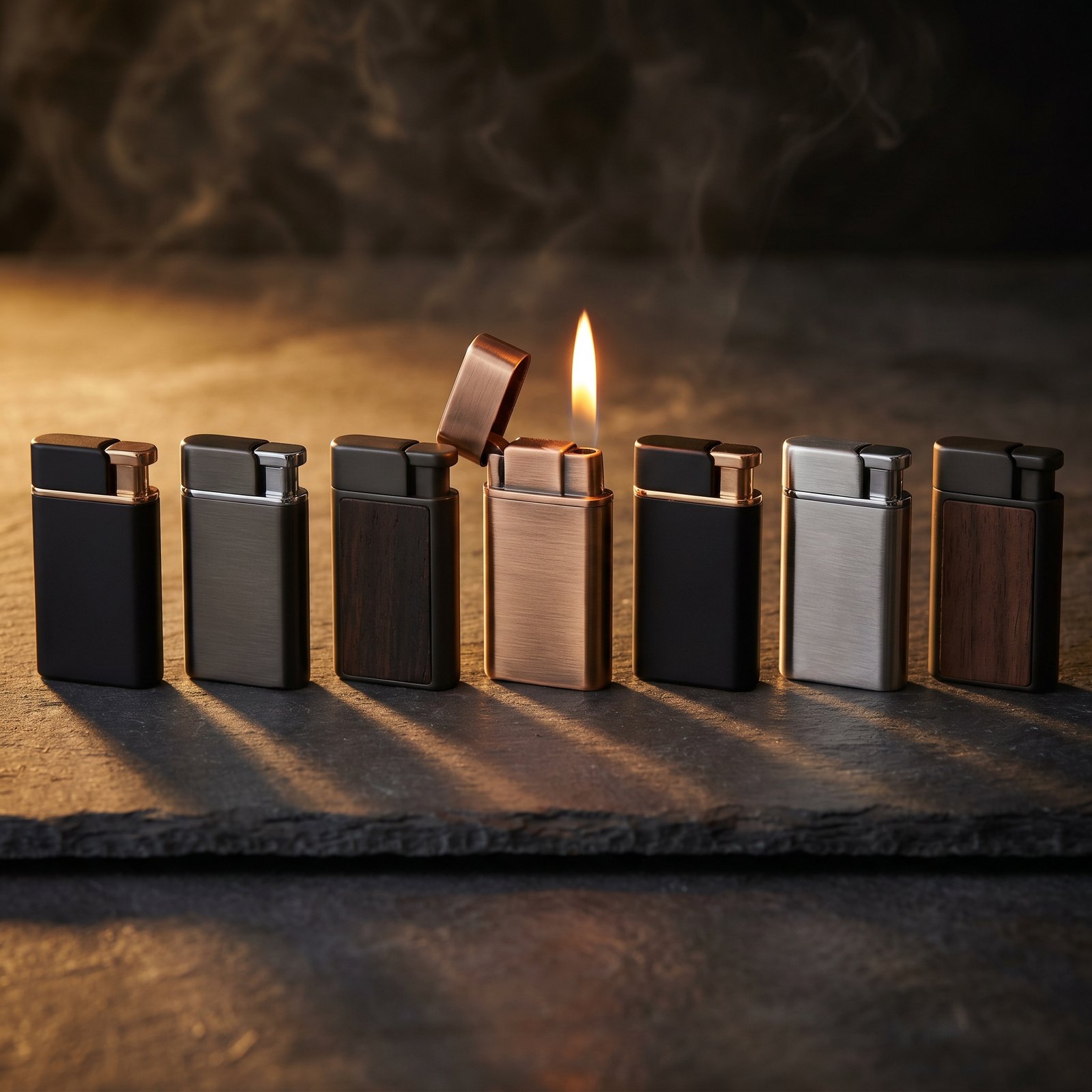
The butane lighter is the modern evolution of the classic flame lighter. It stores pressurized liquid butane that vaporizes and ignites to produce a flame, ranging from gentle soft flames to powerful, windproof jet/torch flames. Butane lighters are refillable from inexpensive fuel cans, deliver instant high heat, and have decades of proven reliability behind them — they’re the familiar, time-tested standard.
The electric arc lighter (also called a plasma or tesla lighter) is the modern newcomer. Instead of fuel and flame, it uses a rechargeable battery to generate a high-voltage electric arc between two electrodes — that crackling spark you see is hot enough to ignite tinder, candles, and more. Because there’s no flame, it’s windproof by nature, and because it’s battery-powered, it recharges via USB rather than needing fuel. Now that we understand both, let’s see how they stack up.
For anyone using a lighter outdoors, wind resistance is often the single most important factor, so let’s start here. How well does each type hold up when the breeze picks up?
The electric arc lighter wins this round decisively. Because it produces an electric arc rather than a flame, there’s literally nothing for the wind to blow out — the arc is completely immune to wind, performing identically in a dead calm or a strong gust. This inherent wind immunity is one of the arc lighter’s biggest selling points and makes it wonderfully reliable in breezy conditions.
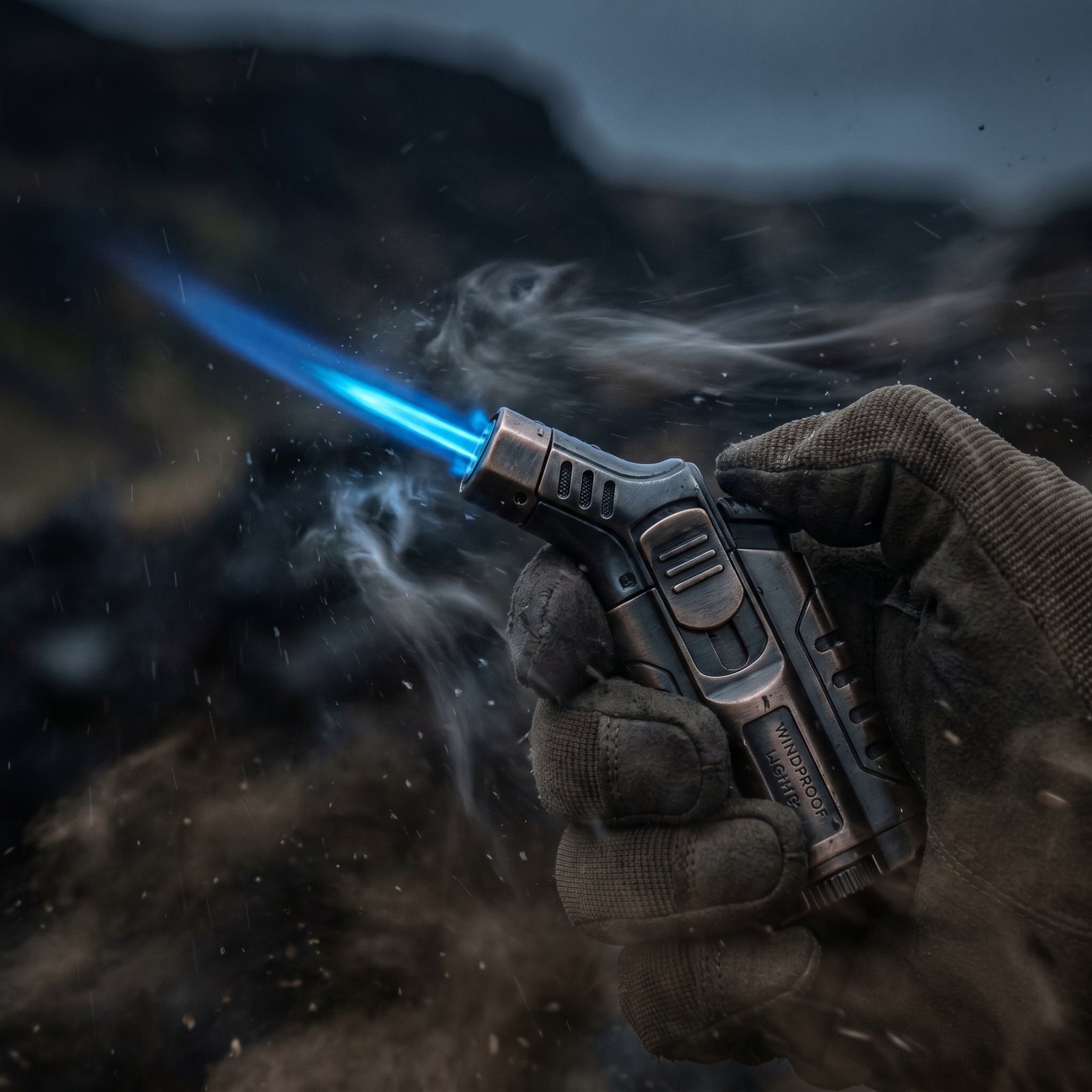
The butane lighter varies dramatically by type. A soft-flame butane lighter struggles in wind just like any open flame, but a jet/torch butane lighter performs far better, forcing out a concentrated, high-velocity flame that resists wind impressively well. Still, even a powerful jet flame can be affected by truly extreme gusts, whereas the arc simply doesn’t care. For pure, effortless wind immunity, the electric arc lighter takes this round.
Winner: Electric Arc Lighter (though jet/torch butane lighters perform very well too)
Sometimes you need serious heat — to light a stubborn campfire, sear through a task, or ignite damp materials — so raw power matters. This round examines which lighter delivers more usable heat.
The butane lighter wins this category clearly, especially in torch/jet form. A butane flame produces genuine, intense heat that can light kindling, melt, sear, and tackle demanding tasks, with triple-jet torch models delivering blowtorch-like power. This real, high-temperature flame makes butane lighters the go-to for heavy-duty jobs where serious heat is required.
The electric arc lighter, while hot enough to ignite tinder, candles, and similar materials, produces a smaller, more localized heat source that’s less suited to large or demanding ignition tasks. The arc is excellent for precise lighting but can’t match the broad, powerful heat of a butane torch flame. For raw heat and the ability to tackle tough or large ignition jobs, the butane lighter is the clear winner.
Winner: Butane Lighter
Budget matters, so let’s compare what each lighter costs upfront and over its lifetime, factoring in fuel and electricity. Value isn’t just the purchase price — it’s the total cost of ownership over years of use.
This round is closer than it looks, with both offering good value in different ways. The electric arc lighter has no fuel costs at all — you recharge it from USB power for a negligible electricity cost — so after the initial purchase, ongoing expenses are essentially zero, making it very economical over time. The catch is that rechargeable batteries do degrade after many charge cycles, eventually limiting the lighter’s lifespan.
The butane lighter requires ongoing fuel purchases, but butane is inexpensive and a single can refills a lighter many times, keeping running costs low. A quality refillable butane lighter can also last a very long time with no battery to wear out, potentially outlasting an arc lighter’s battery life. Both offer solid long-term value, so we’ll call this round a near-tie, with the arc lighter edging ahead on pure fuel savings and the butane lighter winning on potential longevity.
Winner: Tie (arc lighter for zero fuel cost; butane for long lifespan)
When you truly need fire, reliability is everything — and how each lighter performs in cold weather is a crucial real-world test. This round examines dependability across conditions.
This is a nuanced round where each has a weakness. The butane lighter’s main vulnerability is cold: butane struggles to vaporize in freezing temperatures, weakening or preventing ignition unless you keep the lighter warm. In mild conditions, though, butane lighters are extremely reliable, with decades of proven dependability and instant ignition every time.
The electric arc lighter’s weakness is its battery: extreme cold reduces battery performance, and a drained battery leaves you with no fire until you can recharge — a real concern on extended trips away from power. However, it’s immune to wind and has no fuel to run dry mid-use. Both have a cold-weather Achilles’ heel, but the butane lighter’s can be managed by keeping it warm, while a dead arc-lighter battery can’t be solved without a power source. For field reliability on longer trips, butane has a slight edge.
Winner: Butane Lighter (slightly, for field reliability without needing recharging)
How easy is each lighter to use, maintain, and live with day to day? This round weighs the everyday practicality of each type.
Both are easy to use, but they shine in different ways. The electric arc lighter offers wonderful convenience through USB recharging — no buying fuel, no messy refills, just plug it in like your phone. Many also feature a safety lid and an LED battery indicator, and the flameless arc is clean and simple to ignite. For those who dislike dealing with butane refills, the arc lighter is delightfully low-maintenance.
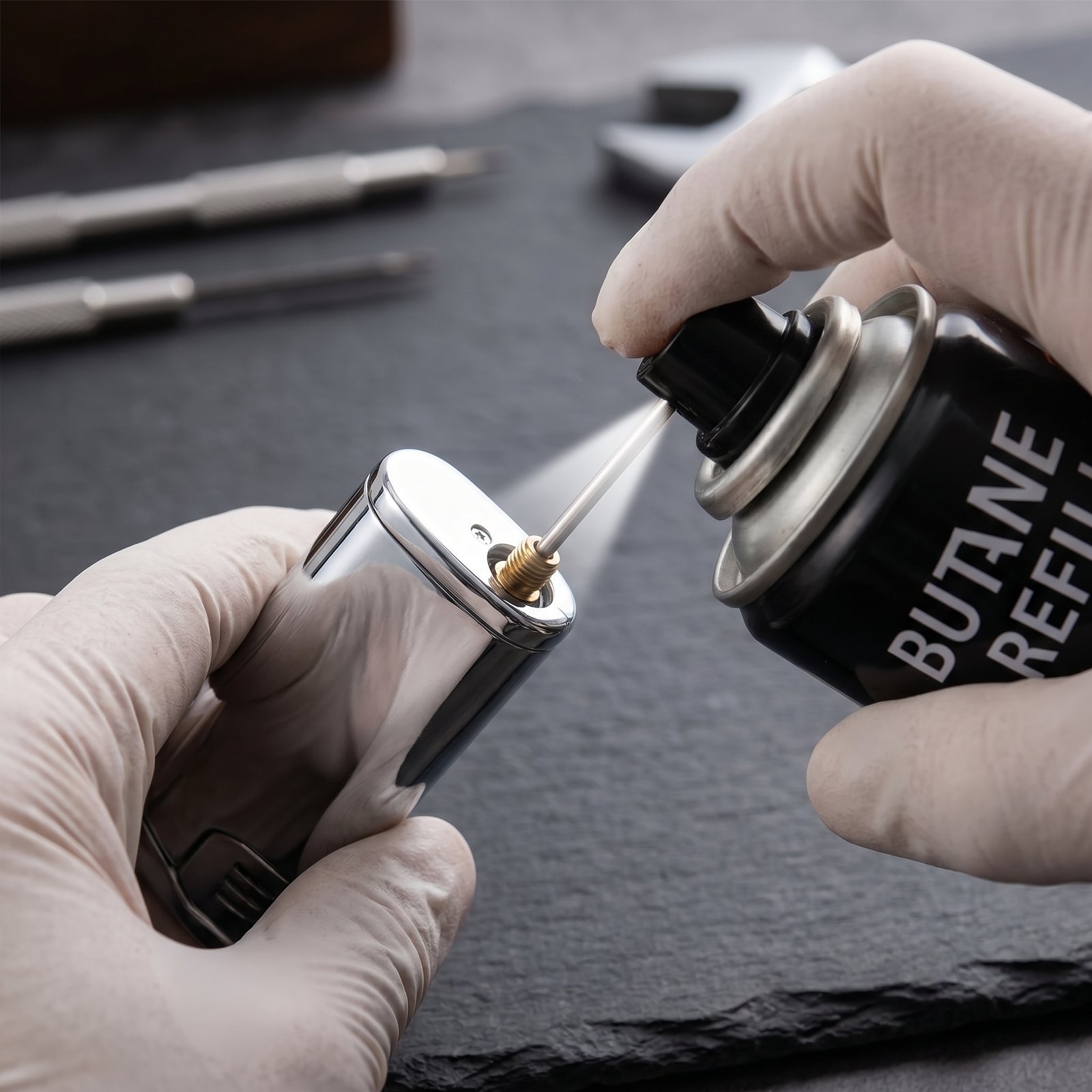
The butane lighter is instantly ready with no charging required and refuels in seconds from a fuel can, meaning you can keep it running indefinitely as long as you have butane on hand — including on long off-grid trips where charging isn’t possible. The refill process is slightly more involved than plugging in a cable, but it’s quick and means you’re never waiting on a battery. Both are convenient; the arc wins for low-maintenance recharging, while butane wins for instant, anywhere refueling.
Winner: Tie (arc for low-maintenance recharging; butane for instant off-grid refueling)
For eco-conscious users, the environmental footprint of their lighter matters, so let’s compare the two on sustainability. This round considers waste, fuel, and long-term impact.
The electric arc lighter generally wins on environmental friendliness. Because it’s rechargeable and uses no disposable fuel, it eliminates the ongoing consumption of butane and, when it replaces disposable lighters, prevents plastic-and-fuel units from piling up in landfills. Its reusable, fuel-free nature appeals strongly to those looking to reduce waste, though the eventual disposal of its battery is a consideration.
The butane lighter, especially a refillable model, is also far greener than disposable lighters since it’s reused for years, but it does consume butane fuel over its life. A quality refillable butane lighter is a big improvement over disposables, but the arc lighter’s fuel-free operation gives it the edge for the most eco-minded users. For minimizing ongoing fuel consumption and waste, the electric arc lighter takes this round.
Winner: Electric Arc Lighter
Let’s tally where each lighter stands across our six rounds, keeping in mind that the “best” depends heavily on your specific needs. The scorecard reveals two well-matched contenders optimized for different priorities.
The butane lighter wins on heat and power, edges ahead on field reliability, and shares the value and convenience rounds — making it the champion for raw performance, heavy-duty tasks, and off-grid dependability. Its instant high heat and anywhere-refueling make it the workhorse choice for demanding use.
The electric arc lighter wins on wind resistance and environmental friendliness, and shares value and convenience — making it the champion for windproof, low-maintenance, eco-friendly everyday use. Its wind immunity and fuel-free recharging make it wonderfully convenient for daily life. Rather than a single clear winner, the scorecard shows two excellent tools suited to different users and situations.
Here’s the insight that resolves the entire debate: plenty of savvy lighter users don’t choose just one — they keep both, using each where it shines. Far from being rivals you must choose between, butane and electric arc lighters complement each other beautifully.
The logic is simple. Keep an electric arc lighter for everyday use, windy conditions, and situations near power where its wind immunity, recharging convenience, and eco-friendliness excel — lighting candles at home, grills on a breezy patio, or campfires when you have a way to recharge. Then keep a butane torch lighter for heavy-duty tasks, serious cold (kept warm in a pocket), and extended off-grid trips where you can’t recharge but can carry a small can of fuel for unlimited refills.
This combination covers every scenario: the arc lighter handles convenient, windproof daily duty, while the butane torch provides raw power and off-grid independence. Together they ensure you always have the right tool for the job, eliminating the weaknesses of relying on either type alone. For many users, “both” really is the smartest answer.
If you’re choosing just one type based on your primary use, here’s how to decide. Your environment and priorities should guide which technology suits you best.
Choose a butane lighter (ideally a refillable torch model) if you need serious heat for demanding tasks, frequently use it in cold weather, take extended off-grid trips where recharging isn’t possible, or simply prefer proven, instant flame power. It’s the better choice for heavy-duty outdoor use, camping in remote areas, and anyone who values raw performance and anywhere-refueling.
Choose an electric arc lighter if you prioritize windproof reliability, want to avoid buying fuel, value low-maintenance USB recharging, lean toward eco-friendly gear, or mainly use it for everyday lighting near power sources. It’s the better choice for daily home use, breezy patios, and environmentally conscious users who want clean, fuel-free convenience. Match the technology to your real-world needs, and you’ll be delighted with your choice.
So, after six rounds, which lighter actually wins in 2026? The honest answer is that there’s no universal champion — each type wins decisively for different users and situations, which is exactly why the comparison is so interesting.
If you need raw power, instant heat, and off-grid reliability, the butane torch lighter is your winner — unbeatable for demanding tasks, cold-weather use (kept warm), and remote adventures where you can carry fuel but not recharge. If you prioritize windproof performance, zero fuel costs, low maintenance, and eco-friendliness, the electric arc lighter takes the crown — ideal for everyday use, breezy conditions, and sustainability-minded users.
But the real winner is the user who understands both and chooses based on the situation — and ideally keeps one of each. Pair a windproof arc lighter for convenient daily and breezy use with a powerful butane torch for heavy-duty and off-grid tasks, and you’ll always have the perfect tool for making fire. In the end, the best lighter isn’t butane or electric — it’s the one that fits the moment, and knowing when to reach for which is the true mark of a savvy gear owner.
Choose wisely, stay equipped, and never be caught without a flame — or an arc. 🔥
Found this comparison helpful? Share it with a fellow gear enthusiast and explore our other guides on windproof lighters, refillable lighters, and fire starters — your complete resource for everything ignition.



No Comments